

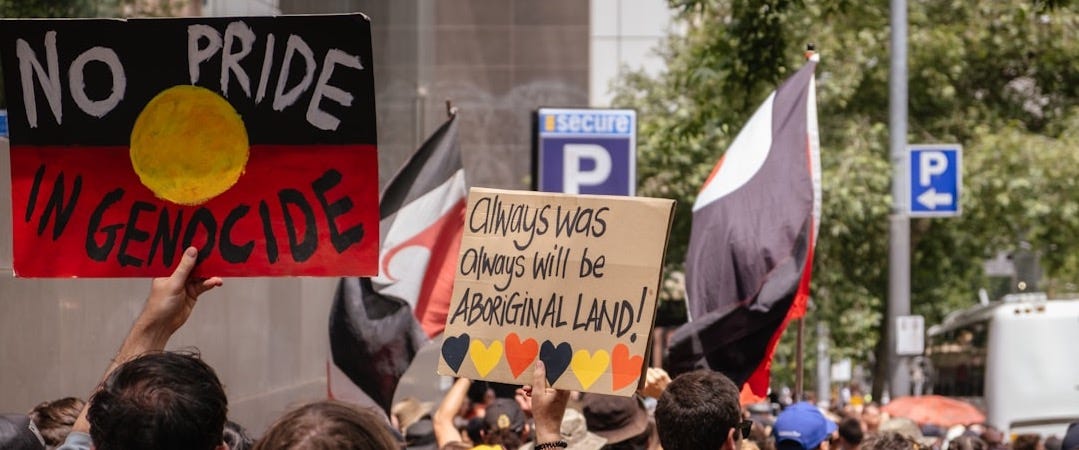
And I didn’t even mean that in some dramatic, poetic way. Lemme rant.
Entitlement has wiped out entire civilizations. It has erased cultures. It has justified war, colonization, slavery, abuse, exploitation, and the quiet neglect of people who were never meant to be invisible in the first place.
What really gets me is how sneaky it is.
Entitlement doesn’t always look like cruelty. Sometimes it looks like comfort. Like excess. Like people having so much they couldn’t possibly use it all, while entire communities are struggling to survive. And this isn’t me telling people how to spend their money or their resources. That’s not the point. The point is that this world already had enough. We already had what we needed. But entitlement says I need more. I deserve more. Even if it means someone else gets nothing.
That’s how imbalance becomes normalized.
That’s how extreme wealth and extreme poverty coexist: people shrug, as if it’s just the way things are. “It’s not my responsibility. Not my problem. Not my fault.” Or, “I don’t feel like doing anything about something that doesn’t concern me.” That’s entitlement operating at a systemic level, convincing those on top that sharing and supporting are optional, while suffering below is inevitable.
And it’s not just about money.
People feel entitled to other people’s time. Their bodies. Their attention. Their emotional labor. Their forgiveness. Their silence. And when that entitlement goes unchecked, we get rape. Abuse. Manipulation. War. Death. We get pillage dressed up as power.
Entitlement skips consent. It skips accountability. It turns desire into something owed instead of something offered. It turns connection into extraction.
Entitlement is honestly just killing community.
Because of entitlement, people go no contact with loved ones they’d honestly rather be closer to. The bond is still there, but navigating the ups and downs of certain tensions requires honesty and self-reflection. It requires saying the uncomfortable thing out loud. People acknowledge the discomfort; they feel it, they sense it, but instead of meeting it directly, they step back and hope the other person will just figure it out.
It’s easier to let someone else sit alone in confusion than to face our own ego and role in creating said confusion. And then we get upset when people are...CONFUSED, hurt, and distant...as if clarity is something they were supposed to magically arrive at on their own without all the real context???
And let’s talk about white superiority, because it’s the epitome of how entitlement can be rooted in fear. Deep, unexamined fear and ego.
White supremacists are obsessed with people who aren’t even concerned with trying to “wipe them out” simply because they feel threatened. And the fact that their terror is based on a false perception of reality is what disturbs me the most. We have BEEN living in a Black Mirror episode.


I have yet to meet anyone from any minority community or culture who genuinely wants to gather together to “eliminate the white race.” That narrative just doesn’t exist. And even IF someone wanted to argue it does, realistically and systemically, it isn’t happening, so we need to stop distorting the truth to justify dismissive and volatile behavior.
What does exist is a false sense of superiority built on insecurity, on the fear of losing control, status, comfort, and power. Entitlement tells us we must dominate because if we don’t, we’ll be erased, forgotten, or go without. Even when history shows the opposite.
That’s the illusion.
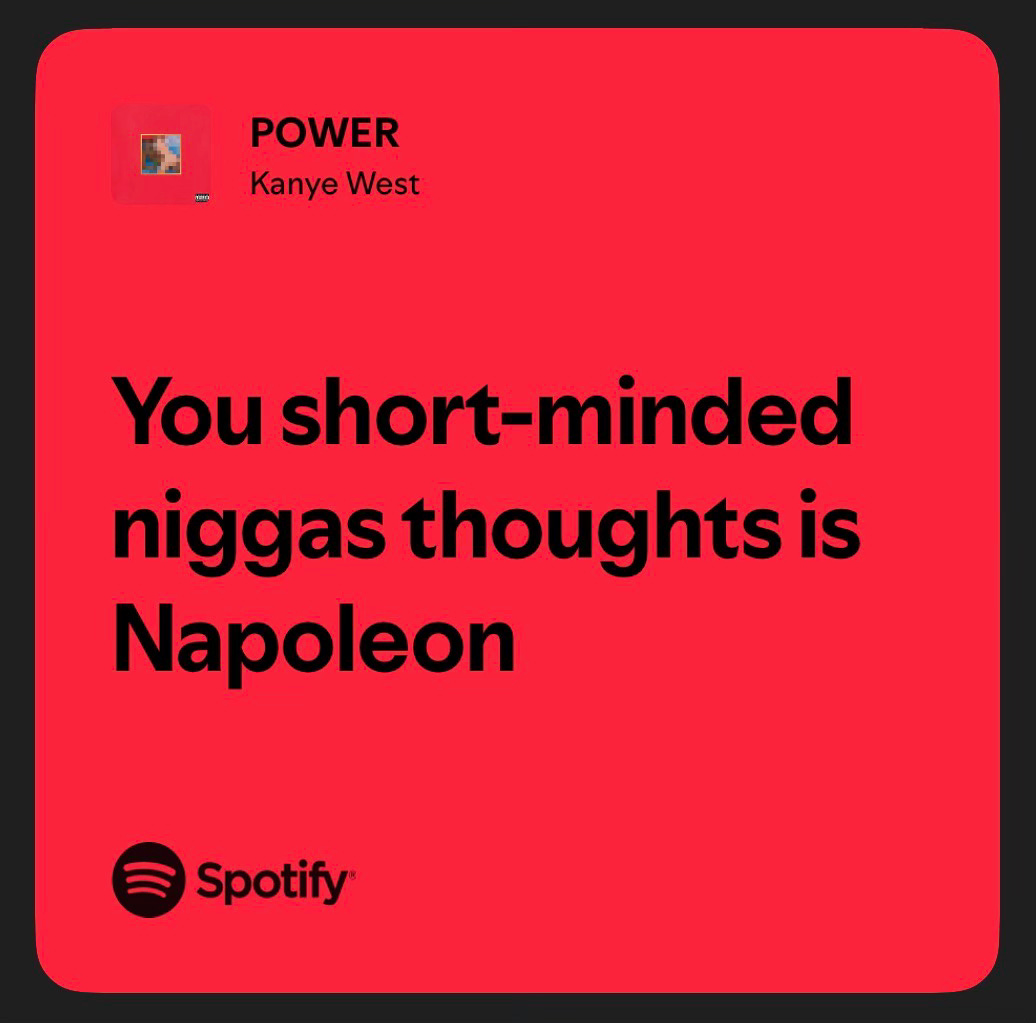
Entitlement thrives on imagined threats and refuses to look at the harm it causes in real time. It convinces people they are entitled to land, labor, bodies, cultures, and futures, simply because they got there first, louder, stronger, or more violent.
What makes entitlement so dangerous is how quiet it can be. It shows up as expectation. As resentment. As black and white mindsets that lack nuance. As “after everything I’ve done for you”. As “this is just how it’s/I’ve always been”. And suddenly, harm feels justified.
Most entitlement, at its core, is fear wearing a crown. Fear of not being chosen. Fear of not mattering. Fear of scarcity. Fear of vulnerability. Instead of sitting with that fear, entitlement reaches outward and takes.
But connection was never meant to be a transaction.
No one owes you access to them. No one owes you their body, their time, their energy, their forgiveness, or their compliance. And power rooted in entitlement will always rot from the inside out. It fractures relationships. It collapses systems and destroys worlds.
Power rooted in choice is different. Choice creates devotion. Respect. Sustainability. True community.
This realization lit something up in me because once you start acknowledging entitlement, you recognize it everywhere. In personal relationships. In governments. In capitalism. In racism. In patriarchy. In spiritual spaces even.
And maybe the work isn’t to point fingers as much as it is to ask where entitlement lives quietly inside us, and what it would look like to choose differently.
Because history has already shown us where unchecked entitlement leads.
And I don’t think we can afford to pretend we don’t see it anymore.
Beautiful seeing. And saying of the seeing. 🫂💛